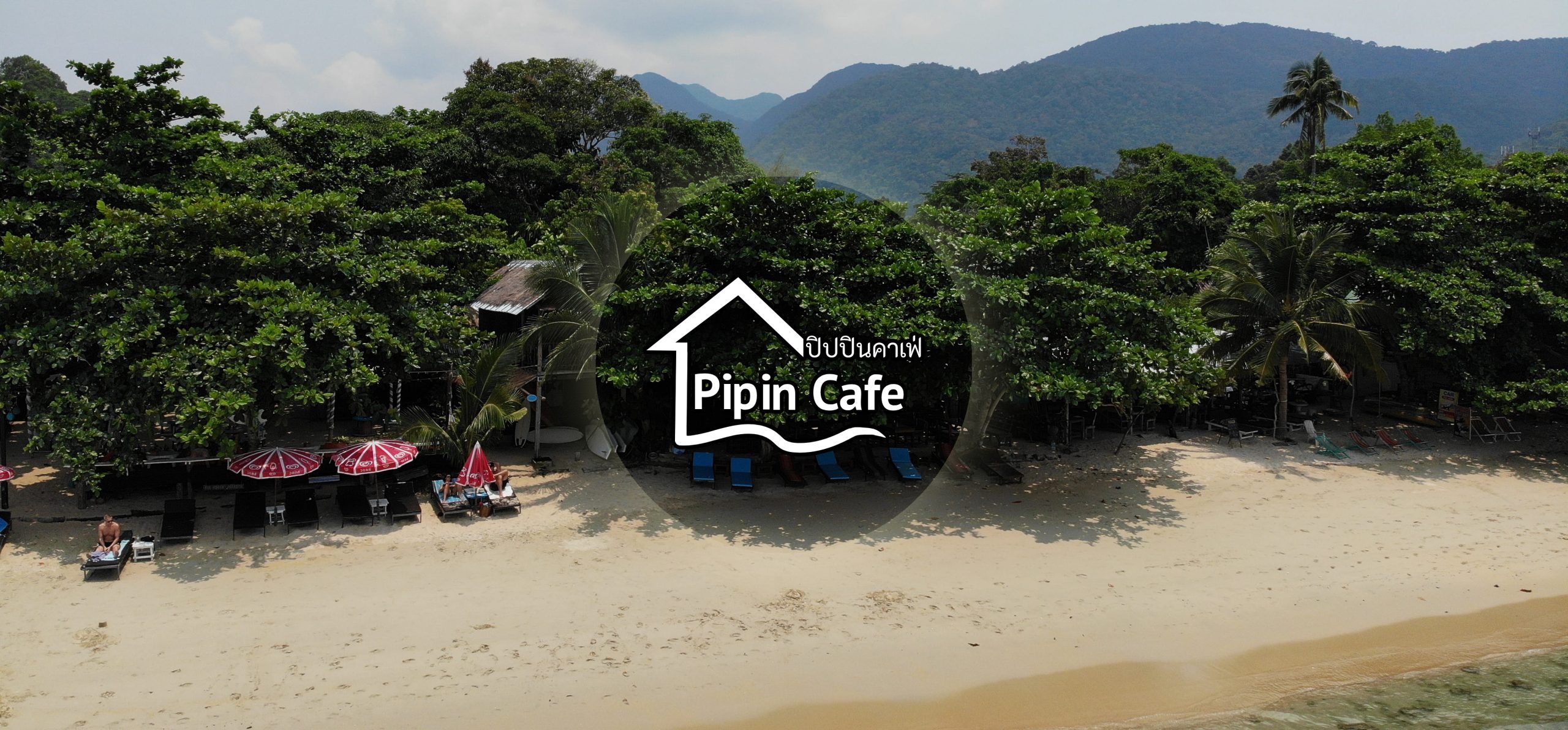
First time in Koh Chang?
If this is your first visit to Koh Chang, you’ve chosen an island that rewards slowing down. Life here moves gently. Distances are short, days are warm, and there’s no need to plan too much in advance.
Koh Chang is Thailand’s second-largest island, known for its beaches, jungle-covered hills, waterfalls, and relaxed atmosphere. Getting around is easy — most visitors rent a scooter or use local taxis to explore different beaches and villages.
Getting to Koh Chang
Most travelers arrive via Trat, followed by a short ferry ride to the island.
Helpful info:
- https://www.tratferry.com
- https://12go.asia (transport bookings in Thailand)
Getting Around the Island
Scooters are widely available and are the easiest way to explore. Local shared taxis (song thaews) run along the main road and are a relaxed alternative if you prefer not to drive.
Useful guide:
Beaches & Nature
Each beach on Koh Chang has its own character — some lively, some very quiet. Waterfalls, viewpoints, and jungle paths are scattered across the island and easy to reach with a short ride.
Island overview:
Food & Local Life
Thai food is everywhere on Koh Chang, from simple street kitchens to small family-run restaurants. Many visitors find that the best meals are the least complicated — fresh ingredients, local recipes, and time to enjoy them.
Practical Tips
- Cash is useful; ATMs are available but not everywhere
- Flip-flops, sunscreen, and patience go a long way
- Days are for the beach, evenings are for food and rest
At Pipin, we’re always happy to share local tips
- where to go, when to go, or when it’s best to do nothing at all. Koh Chang has a way of revealing itself slowly, and the best experiences often come without much planning.
A Short History of Koh Chang
Long before Koh Chang became a place for travellers, it was an island shaped by nature, seafarers, and quiet coastal life. Its name, which means “Elephant Island,” comes from the island’s shape when seen from the sea — a familiar landmark for fishermen navigating the Gulf of Thailand.
For centuries, Koh Chang remained largely untouched. Dense jungle covered the hills, waterfalls carved their way through the landscape, and small fishing communities lived along the coast, relying on the sea and the land for daily life. The island’s remote location made it peaceful, but it also kept it hidden from major development.
One of the most important moments in the island’s history took place during World War II, when the Battle of Koh Chang occurred nearby in 1941. Today, this chapter of history is remembered quietly, as the island returned to its calm rhythm after the war.
For much of the 20th century, Koh Chang was known mainly to locals and adventurous travellers. Roads were few, electricity was limited, and life followed the natural pace of the island. It wasn’t until the late 1980s and 1990s that visitors began arriving in greater numbers, drawn by untouched beaches, rainforest-covered mountains, and a slower way of living.
Unlike many destinations, Koh Chang developed carefully. Large parts of the island are protected as a national park, helping preserve its forests, wildlife, and coastline. Even today, the island keeps its balance — offering comfort and access while holding on to its natural character.
Koh Chang is now a place where past and present meet quietly. Traditional fishing villages exist alongside small cafés and guesthouses. Jungle paths lead to beaches. Life remains unhurried. It’s an island that doesn’t demand attention — it simply invites you to slow down and stay awhile.
Located in Koh Chang, the island continues to reward those who arrive without rush and leave with a deeper sense of calm.